Transforming Hillman Library: A Bright Future for Learning and Sustainability
Key Highlights
- The library features Solarban 72 Starphire glass, providing high light transmittance and solar control for energy efficiency and occupant comfort.
- Design updates include a monumental staircase, open makerspaces, outdoor terraces, and modern study areas to enhance user experience and accessibility.
- Sustainable features such as a rooftop solar array, rainwater capture, native landscaping, and green roof support LEED Platinum goals.
- The space has shifted from traditional book stacks to digital and interdisciplinary research, reflecting modern academic needs.
- Abundant daylight and natural materials create an inviting atmosphere that encourages collaboration and discovery.
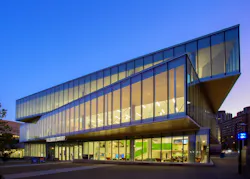
Once a dark, windowless space for patrons, the University of Pittsburgh’s Hillman Library has been transformed into a bright, inviting place of collaboration, learning and discovery.
Gone are the perimeter’s original study carrels and private offices preventing light from reaching the interior. In its place, three-story, staggered curtain wall blocks feature Solarban 72 Starphire glass by Vitro Architectural Glass (formerly PPG Glass) to bring lots of light into the spacious lobby.
GBBN’s Pittsburgh architect firm selected Solarban 72 Starphire glass for its 68% visible light transmittance (VLT) and solar heat gain coefficient (SHGC) of 0.28. The triple-silver-coated, solar control low-e glass delivers energy efficiency, creates a brighter, more inviting environment and enhances occupant comfort for students, faculty, and visitors.
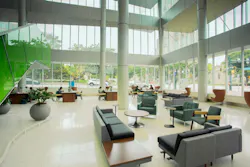
The new design provides equitable access to daylight and views throughout the building and eliminates the old “book bunker” feel of mid-century libraries. A monumental staircase helps circulate visitors through the building and provides a nice aesthetic.
“Abundant glass in the new entry volume brings in lots of light and makes the space feel inviting day or night,” confirmed GBBN Principal, Matthew Plecity, AIA, ASLA. “Using glass, wood, and stone makes an inviting and distinct sense of place for people.”
With a minimal need for book stacks, the space has been reallocated for digital exploration, interdisciplinary research, technology and study and meeting spaces.
The daylit re-design features audio/video production suites, a café, writing center, bookbinding lab, outdoor terraces and an open lab makerspace with virtual visualization, 3D printing and laser cutting.
Targeting LEED Platinum certification, in addition to the daylighting, sustainable features include a 250 kW rooftop solar array, rainwater capture, native plant landscaping, low VOC materials, LED lighting, and a green roof.