The New Definition of Luxury: Authenticity, Craft and Sensory Design

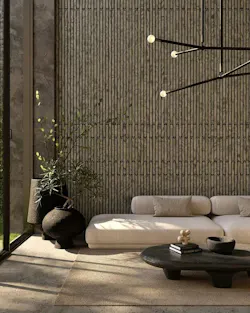
Luxury interiors are shifting toward sculptural lighting, expressive materials and handcrafted details that create personal, sensory experiences.

Key Highlights

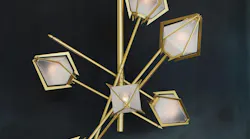
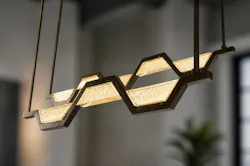
  • Statement lighting is becoming architectural sculpture, with textured glass and warm metals creating immersive, comfortable atmospheres.
  • Furniture is valued for its craftsmanship, material origins and sculptural identity as much as its appearance.
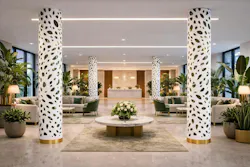
  • Customizable, layered wall and column treatments turn architectural elements into distinctive focal points.
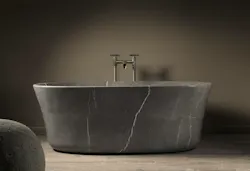
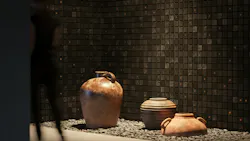
  • Hand-carved stone tubs and vessels bring natural character, permanence and artistic presence to hospitality spaces.
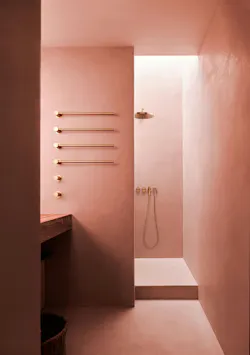
  • Bath technology is increasingly concealed, while coordinated fixtures create a seamless visual language.
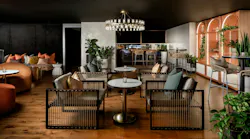
Today, luxury is less about overt opulence and more about authenticity, craftsmanship, customization, and sensory experience. Across lighting, architectural surfaces, furnishings, bath design and materials, designers are embracing sculptural forms, rich textures, natural materials and seamless integration of technology. The result is environments that feel both elevated and deeply personal.

Architectural Products interviewed a few manufacturers at the forefront of luxury to learn what trends were emerging for creating indulgent and luxurious experiences.

“We are seeing three distinct shifts in luxury commercial lighting: 1. Commercial specifiers are moving away from quiet, recessed, or invisible fixtures in luxury spaces. Lighting is now expected to act as primary architectural sculpture—anchoring lobbies, grand dining rooms, and high-end lounge spaces even when switched off. 2. Designers are favoring organic textures over sterile, polished surfaces. Hand-poured sand-cast glass, seeded textures, and heavy bronze alloys bring warmth and human touch back into large-scale non-residential environments. 3. In hospitality, high-end clients want light that feels immersive and ambient rather than direct or harsh. Fixtures that diffuse light through textured glass mimic natural light filtering through organic elements, boosting occupant well-being and comfort.”—Sally Thomas Cooper, Co-Founder and Designer, Thomas Cooper Studio

“I see a growing appreciation for furniture that has a stronger identity, where craftsmanship, natural materials and thoughtful design are just as important as aesthetics. I think people are becoming more interested in understanding the story behind a piece, how it was made, where its materials come from and what makes it special. For me, luxury has never been about making something look expensive. It is about the quality of the materials, the attention to detail, the proportions and the honesty of the design. Whether I am designing a dining chair, a bar stool or a lounge piece, I want it to have a strong identity without overwhelming the space. I love the idea of furniture having a sculptural presence, almost like a piece of art, while remaining comfortable and functional.”—Alfonso Verduzco, Furniture, Panel and Tile Designer.

“Dimension and layering have emerged as two of the biggest trends we’re seeing across columns and wall design. Both are driven by demand for customization. Clients want surfaces that reflect their vision beyond the standard options. With our recent Statement Columns launch, for example, dual-layer configurations transform columns and walls from structural elements into architectural focal points. Layering laser cut patterns, contrasting colors and varied finishes allow designers endless options to create brand moments, add visual interest and introduce luxury through customization.” —Linda Gutierrez, Senior Manager, Marketing & Business Analysis, Moz Designs

“In luxury hospitality, we’re seeing a shift from polish to authenticity. What feels luxurious now is a natural material, carved by hand, that couldn't have come from anywhere else. Designers are choosing rarer, more expressive stones like onyx and richly veined marble, and treating the tub or vessel as a sculpture that anchors the room. There’s also a real appreciation for permanence. A stone tub lasts for generations, and in a world of disposable things, that is its own kind of luxury.” —Michael Zimber, founder, Stone Forest.

“The biggest trend we're seeing is that technology is disappearing. Designers want five-star performance without visible mechanics, so valves, heating elements and controls are moving into the wall, leaving only pure form. They also want coordinated systems, where faucet, shower, towel warmer and accessories share one finish and design language.” —Bob Gifford, director of business development, Hastings Bath Collection/VOLA

About the Author

Barbara Horwitz-Bennett

Contributing Editor

Sign up for our eNewsletters
Get the latest news and updates